







Search Results for: Brewing Recipe
How to Design a Pour-Over Recipe for Unfamiliar Coffee Beans: From Building a Brewing Framework to Precise Matching
When faced with a coffee bean you've never encountered before, how do you quickly develop a suitable pour-over plan? This article starts with simplifying the brewing framework and shares a practical method: first roughly categorize coffee beans by roast level, establish a highly versatile brewing plan for each category, and then identify where unfamiliar beans belong through flavor descriptions and bean color. As experience accumulates, gradually refine the categories, deriving medium roast from light roast and dark roast, and even making further adjustments for special varieties such as Geisha. Front Street Coffee uses its own two brewing plans as examples to show that by keeping the dose, ratio, and technique consistent and adjusting only the water temperature, grind size, and dripper, most beans can be handled. This approach not only reduces decision-making costs but also leaves room for subsequent optimization. [more…]

Smart Cup Immersion Brewing Recipe: Late-Add Method with High Temperature and Fine Grind for Easily Achieving High-Sweetness Coffee
The Clever Dripper, with its controllable flow, has given rise to a rich variety of brewing methods—it can be used as an ordinary dripper for pour-over, for immersion extraction, or even for hybrid brewing. This time, Front Street Coffee is sharing a Clever Dripper recipe from coffee guru James Hoffman, featuring a unique "reverse pouring method"—pour hot water first, then add the coffee grounds—paired with a finer grind and 95°C hot water, taking only three minutes total to easily produce an extremely sweet cup of coffee. This recipe is simple to execute, beginner-friendly, and also suits those who don't want to fuss with a complicated process. The article uses Front Street Coffee's Grana Estate · Geisha for demonstration and explains key parameters in detail, including coffee dose, ratio, grind, and immersion time. Finally, it includes an alternative method for when you don't have a Clever Dripper, making it highly practical. [more…]
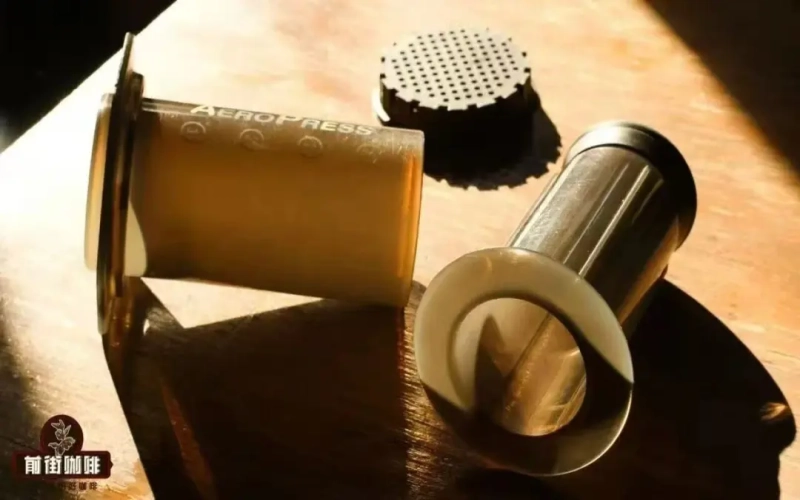
AeroPress Coffee Brewing Guide: Grind Size, Water Temperature, and Coffee-to-Water Ratio Parameters, Plus Tetsu Kasuya's Champion-Level Universal Brewing Recipe
The AeroPress, with its极高 playability, attracts many coffee enthusiasts to get involved, and the official organization even holds专属 competitions every year to see who is the best at "playing" with it. In this article, Front Street is going to share a universal extraction recipe from an AeroPress champion—this champion is none other than粕谷哲, the 2016 World Coffee Championship winner and inventor of the famous 4:6 method. This recipe adopts a high-concentration, low-extraction approach, using a large dose of coffee to extract a small amount of highly concentrated coffee liquid in a short time, then diluting it with water or ice to make a hot or iced drink. Using an Ethiopian Hamashu light-to-medium roast floral and fruity bean as an example, Front Street records in detail the dose, grind size, water temperature, extraction time, and inverted pressure operation steps, and also provides by-pass dilution suggestions and flavor tasting references. Friends who have an AeroPress at home should definitely give it a try. [more…]
Master the Three Extraction Variables to Easily Adjust Your Espresso Recipe
For baristas who work with espresso machines every day, adjusting the espresso recipe is a familiar daily routine. Only through repeated tasting and fine-tuning of the grind size and coffee-to-water ratio can you produce a truly satisfying cup. Starting from the basic principles of extraction, this article introduces the three core parameters of recipe adjustment—dose, yield, and extraction time—and explains why grind size is the only lever for changing the recipe. It also explores the origin of the 18–22% golden extraction range and how to use a refractometer to scientifically measure extraction results. Whether you are a coffee professional or a seasoned enthusiast, these methods can help you optimize your espresso recipe more rationally. [more…]
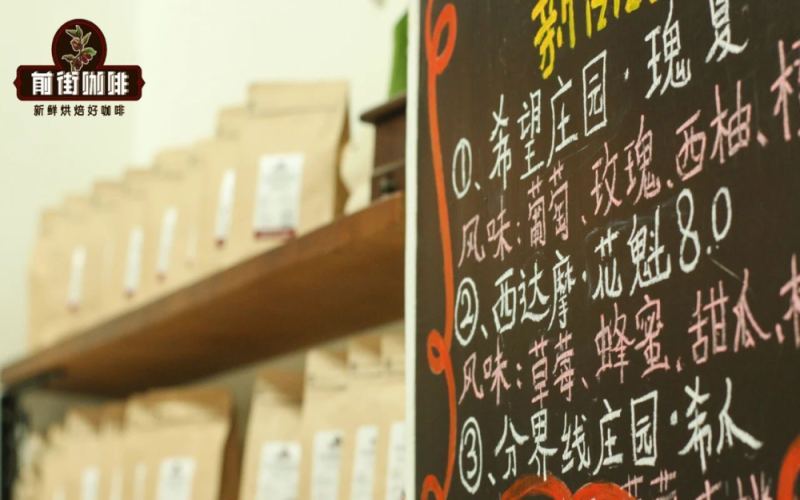
A Complete Analysis of Pour-Over Coffee Brewing Time: Extraction Logic from Dripper Structure to Pouring Technique and a 2-Minute Standard Recipe
How long exactly should the brew time for pour-over coffee be controlled to? This question seems simple, but in reality it involves the combined effects of multiple variables such as the structure of the dripper, the dose of coffee, the pouring speed, and the grind size. Brew time is essentially the duration of contact between coffee grounds and water, which directly determines the degree to which flavor compounds are dissolved. This article will start from the principles of extraction, analyze one by one the various factors that affect brew time, and share a basic brewing recipe commonly used in Front Street Coffee stores—15 grams of coffee, a 1:15 coffee-to-water ratio, a V60 dripper, three-stage pouring, with a total time of about 2 minutes—suitable for beginners new to pour-over to imitate and practice. [more…]
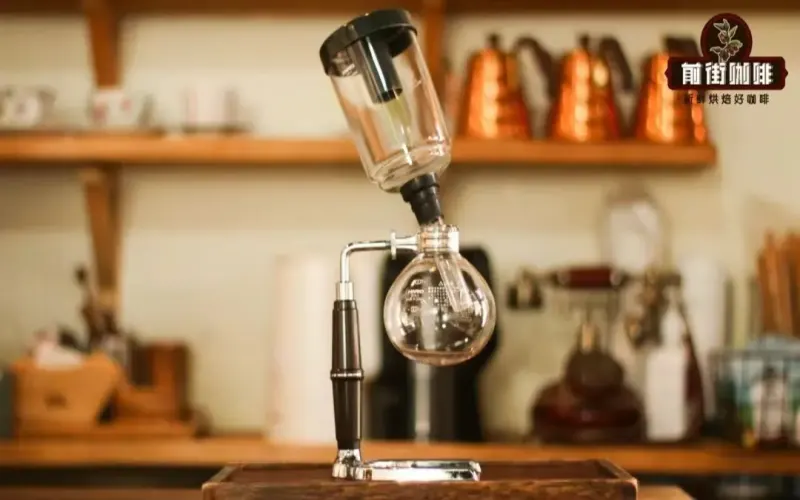
Siphon Coffee Brewing Recipe | What's the Difference in Flavor and Mouthfeel Between Siphon Coffee and Pour-Over Coffee? Jamaican Washed Blue Mountain Siphon Coffee Recipe and Parameters Introduction
Although it is troublesome to make and takes a long time, the siphon has ceased to be the mainstream brewing tool in coffee shops, but its visual appeal and the characteristics of the coffee it brews have always been a favorite topic among coffee folks. "Compared with pour-over coffee, coffee brewed with a siphon is fuller-bodied and more aromatic." This is what everyone [more…]
How to Formulate an Espresso Blend Recipe? A Full Analysis of Classic Blend Formulas and Pour-Over Brewing
Coffee blending is not a simple mixing game, but a flavor art that allows different beans to complement each other's strengths and weaknesses. This article provides a complete overview of the definition of blending and its four major purposes—balancing taste, reducing costs, creating unique characteristics, and ensuring consistent quality—along with six classic espresso blend recipes and their corresponding flavor intensity data. It also clarifies a common misconception: blend beans are not just for espresso machines; they can also shine in pour-over brewing. The article further distinguishes blends from single-origin coffees, explains the rising popularity of SOE single-origin espresso, and finally shares Front Street Coffee's pour-over practice using Elida, Kochere, and Genesis in a 5:3:2 blend, along with complete brewing parameters—a worthwhile read for coffee enthusiasts. [more…]

Deconstructing 2021 WBrC Champion Matt's Blend Bean Pour-Over Recipe: Building Layered Sweetness with Stepped Temperature Control and Five-Pour Technique
At the 2021 WBrC World Coffee Brewing Championship, champion Matt won with a blend rather than Geisha, sparking widespread attention. His recipe consisted of 60% naturally processed Eugenioides and 40% washed Catuai; the former provides extremely high sweetness, while the latter brings clear acidity. In brewing, he used a metal V60 dripper, a 1:15 coffee-to-water ratio, five-pour pouring, and innovatively controlled the water temperature in two stages: 93°C and 88°C. Through video analysis, Front Street Coffee found that his pouring ratio closely resembles Tetsu Kasuya's 4:6 brewing method. This article provides a complete analysis of this competition regimen, which balances sweetness and complexity and offers extremely high compatibility, for coffee enthusiasts to reference and learn from. [more…]
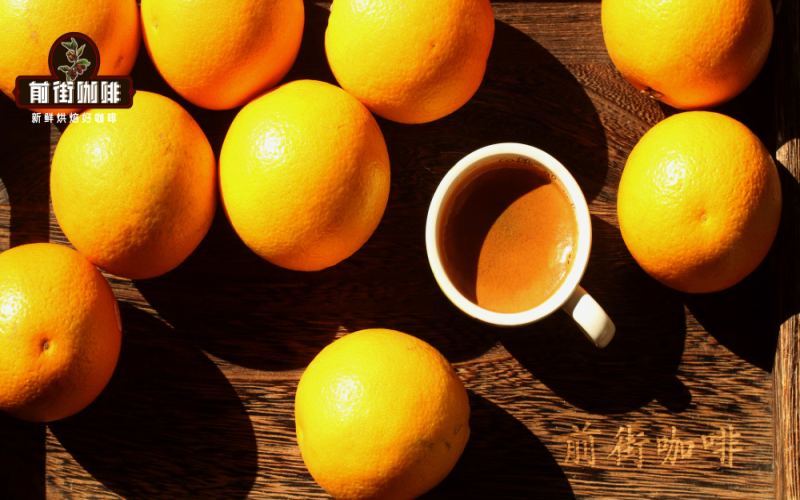
Lemon Meets Espresso: The Recipe, History, and Brewing Details of Rome's Caffè al Limone
The fresh acidity of lemon is often used to describe coffee flavors, but in Italy, lemon is an actual ingredient added to espresso. This drink, called Espresso Romano, originated in the Campania region of southern Italy, initially to neutralize the burnt bitterness of low-quality dark-roasted coffee beans. Lemon juice provides fruity acidity, sugar softens the sharpness, ultimately creating a cup of espresso that is sweet and sour, with whiskey aroma and caramel sweetness. This article will start from the historical origins and provide a detailed breakdown of the Espresso Romano recipe, including the extraction parameters of Front Street Coffee's Warm Sun blend, the two ways of adding lemon, and how to adjust the amount of lemon juice and sugar according to the roast level. [more…]
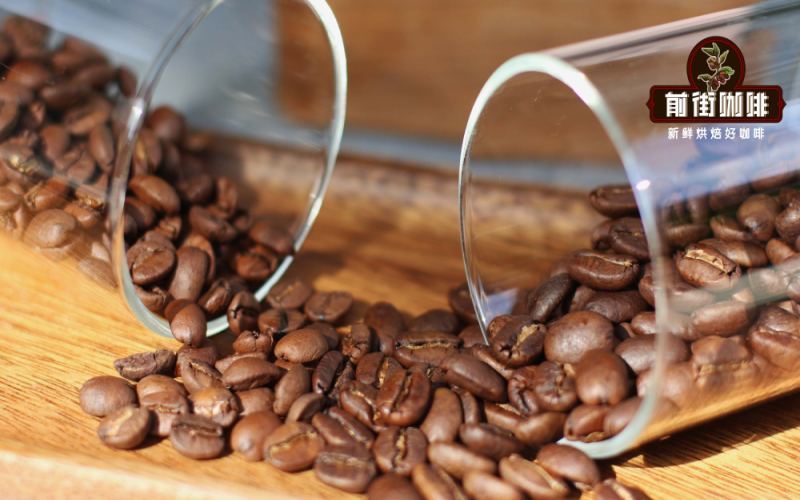
Mamba Blend Coffee Beans Recipe Ratio and Flavor Characteristics: Front Street Classic Italian Blend Moka Pot Brewing Tutorial
Many people have heard of Mamba coffee, yet not everyone knows where its recipe comes from. Mamba is actually a combination of Indonesian Mandheling and Brazilian Arabica beans, whose richness and lightness complement each other, and it was once all the rage in Taiwan's early coffee shops. This article will introduce the flavor logic behind the Mamba blend, the respective characteristics of Mandheling and Brazilian beans, and recommend Front Street Coffee's classic espresso blend, while also demonstrating in detail how to extract an authentic Mamba flavor with a moka pot, including key steps such as water temperature, grind size, and heat control, helping you make a rich, full-bodied classic coffee at home. [more…]
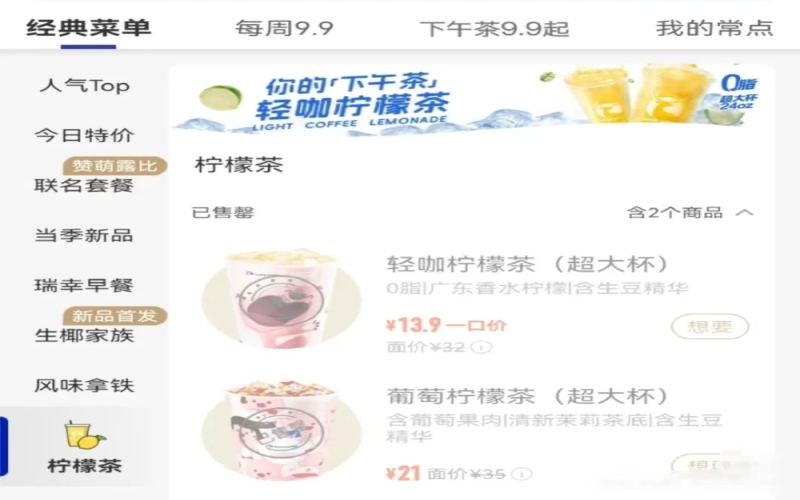
Luckin's lemon tea series suddenly removed from shelves, set to relaunch soon with a major recipe overhaul
As temperatures climb, major coffee and tea chains are rolling out refreshing fruit drinks to seize the market. Yet Luckin's Light Coffee Lemon Tea and Grape Lemon Tea have quietly been pulled from the menu at this very moment, catching many fans off guard. According to internal staff, this across-the-board removal stems from the brand's major overhaul of the recipe: the new version of the lemon tea will add lemon pulp, and the Light Coffee Lemon Tea will also include quick-frozen yellow lemon halves. The new recipe is set to relaunch within the next couple of days, but this adjustment has sparked sharply different reactions among employees and consumers. This article will sort through the sequence of events, the details of the recipe changes, and the genuine feedback from all sides, to give you a clear picture of the ins and outs of this change to Luckin's lemon tea. [more…]
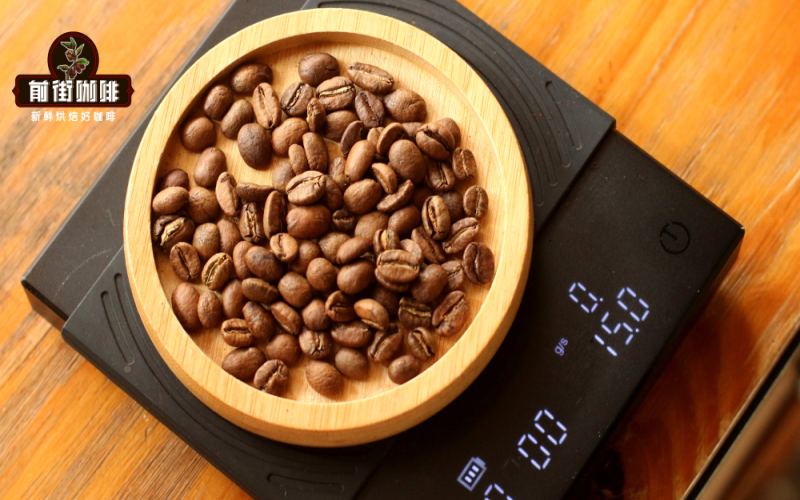
A Complete Guide to Espresso Blend Formulation: From Recipe Design to Brewing and Tasting Essentials
The flavor profile of espresso depends largely on the combination of the blend recipe and the roast level. Front Street Coffee has long provided freshly roasted espresso beans and emphasizes shipping only products within 5 days of roasting. This article systematically reviews the definition of espresso beans, the logic of blending, and six typical recipes, covering different styles such as balanced, intensely bitter, fruity-acidic, and wine-like, and also offers practical notes for blending. Whether you are a beginner just getting into espresso or a professional looking for a stable production solution for a coffee shop, you can find useful references here. [more…]
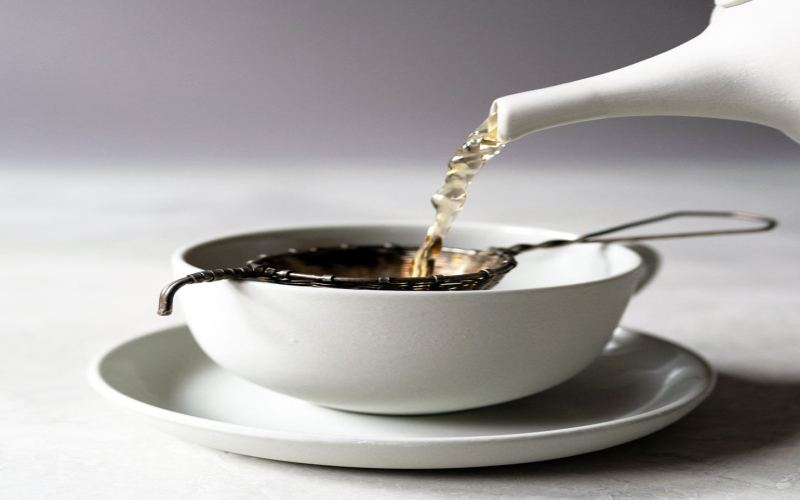
Is English Breakfast Black Tea a Blended Tea? A Full Guide to Brewing Temperature and the Blend Recipe
English Breakfast Tea is a classic black tea, often regarded as the ideal drink to dispel morning drowsiness. Is it actually a blended tea? What water temperature should be used when brewing it? This article explores the formula and brewing key points of English Breakfast Tea, citing George Orwell's suggestions in "A Nice Cup of Tea" to explain details such as brewing tea with boiling water and the order of pouring water, and discusses the controversies over adding milk, adding lemon, and the choice between sugar and honey. At the end, it also recommends related products from Front Street Coffee to help tea lovers find a brewing method suited to their own taste. [more…]
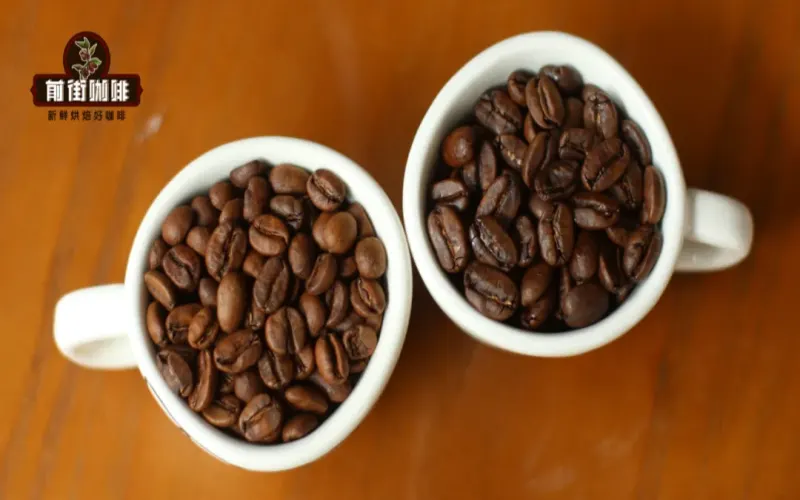
Pour-Over for Beginners: A Guide to Developing Extraction Plans for Unfamiliar Coffee Beans and Identifying Roast Levels
When faced with a coffee bean you've never tried before, how can you quickly find the right brewing recipe? Actually, you don't need to overturn your existing brewing habits—just make targeted adjustments to the extraction parameters. Drawing on Front Street Coffee's practical experience, this article teaches you to infer the roast level from the flavor description on the bean bag label, and from there determine the three core parameters: coffee-to-water ratio, grind size, and water temperature. It also explains in detail the differences in extraction logic between light-roasted and dark-roasted beans, as well as strategies for dealing with specially processed beans, helping you easily master every unfamiliar bean without changing your brewing technique. [more…]
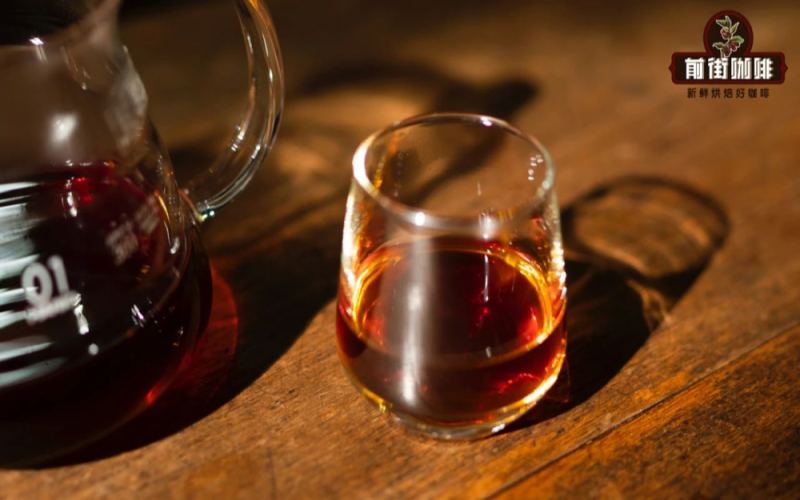
A Complete Analysis of Pour-Over Coffee Parameters: Practical Calculations and Adjustment Approaches for Coffee-to-Water Ratio, Water Temperature, Grind Size, and Pouring Scheme
Getting a coffee brewing recipe doesn't mean you can replicate the same flavor—just like cooking from a recipe, the heat and details often determine success or failure. This article breaks down the role and adjustment logic of each parameter in pour-over coffee, from coffee dose, coffee-to-water ratio, grind size, and water temperature to pouring scheme. Front Street Coffee, drawing on practical experience, shares the commonly used 1:15 ratio, the 86-93℃ water temperature range, and how to flexibly change the number of pouring stages based on extraction time, helping you quickly find the right direction when facing extraction problems. [more…]
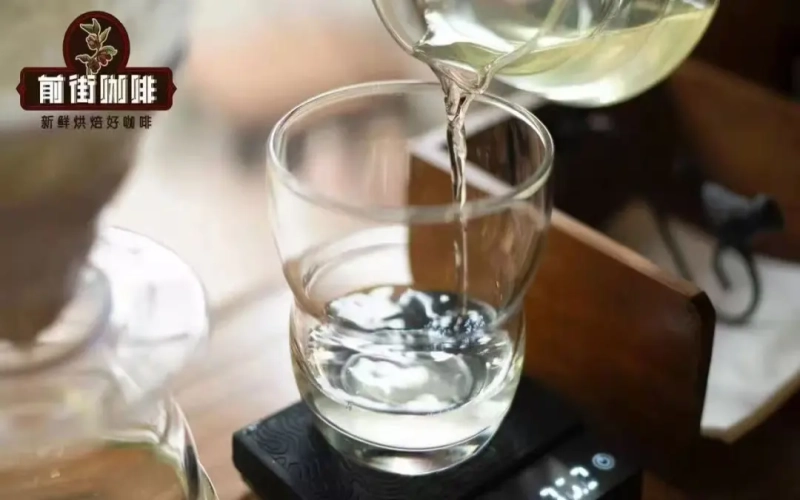
Espresso Special Milk-Washed Latte Making Guide: Ingredient Ratios, Step-by-Step Details, and Practical Recipe
Milk washing is a process that involves mixing an acidic ingredient with milk to curdle the casein, then filtering out a transparent milk serum. Thanks to its striking visual presentation and unique mouthfeel, it is used by many coffee shops in the making of specialty coffee drinks. However, although the process is not complicated, there are quite a few details to pay attention to. If you simply add an acidic substance and coffee directly to milk, the resulting clarified liquid is often difficult to drink as is. To make a good-tasting milk-washed coffee, in addition to the basic ingredients, flavoring components such as sugar are needed to balance the acidity, while the choice of coffee beans, the usage ratio, and the steeping time will all significantly affect the final flavor. This article will cover the ingredients, steps, and recipes for milk washing, and share Front Street Coffee's specific recommendations on bean selection. [more…]
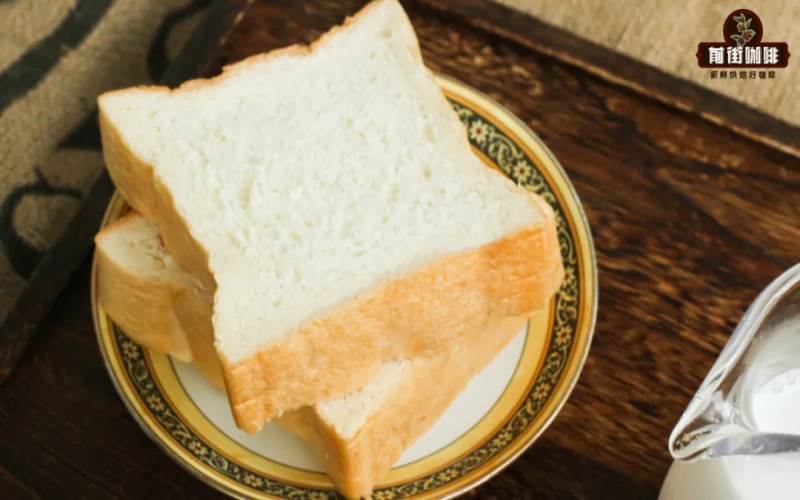
White Toast Dirty Coffee Recipe: Flavor Experience and Brewing Parameters of Raw Toast Milk Dirty Coffee
Recently, a distinctive coffee creation has been trending online—the white toast Dirty. It isn't made by adding toast to coffee; instead, milk that has been soaked with toast is used to make the Dirty, giving the milk both the aroma of bread and a richer mouthfeel. In this issue, Front Street Coffee replicates this drink, using raw toast soaked in a 1:5 ratio under refrigeration for 4 hours, then filtering it and pairing it with a specialty espresso blend, documenting the complete process of temperature contrast and flavor integration across three sips. However, Front Street also specifically warns that fresh bread is prone to mold, and soaking it in milk for a long time will greatly accelerate spoilage, posing safety risks if not handled properly, so friends with sensitive stomachs are advised not to try it casually. [more…]
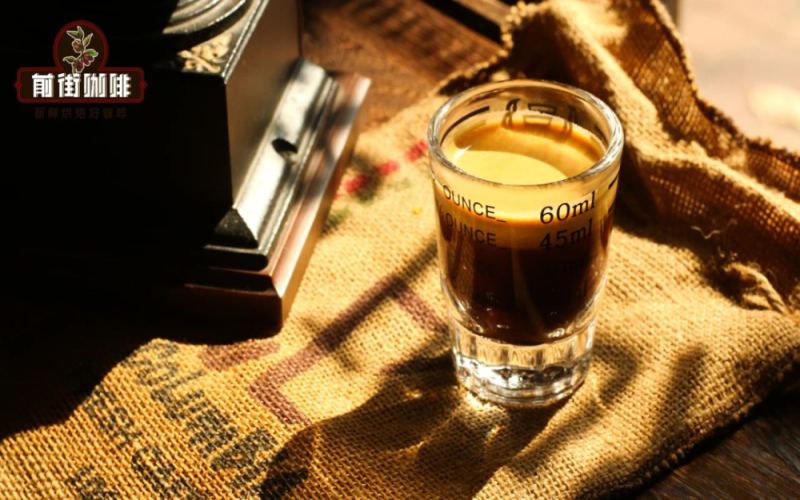
The Core Principles of Espresso Blending and Recipe Analysis: From Ratio Pairing to Extraction Key Points
The charm of espresso lies in achieving complementary and elevated flavors through blending. Starting from Italian coffee culture, this article systematically explains the basic principles of espresso blending—why two to six types of beans are typically used, and why a clear primary-secondary relationship is needed rather than mixing in equal proportions. Using Front Street Coffee's Warm Sun Blend, Specialty Blend, and Basic Blend as examples, it illustrates how coffee beans from different origins harmonize with one another. It also introduces the differences between SOE and blended beans, as well as the key control points in time, flow rate, and tamping during Espresso extraction, helping coffee enthusiasts understand the recipe logic and operational details behind a delicious cup of espresso. [more…]
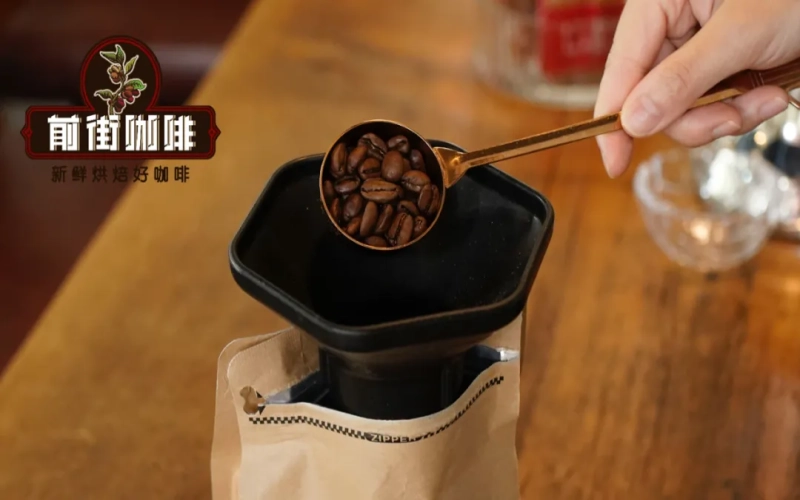
The Complete Guide to the AeroPress: From Invention Background to Inverted Method Brewing Practice and Recipe Details
The AeroPress is a unique coffee device that looks like a syringe yet has its own world championship. It was invented in 2005 by Alan Adler, a mechanical engineering lecturer at Stanford University. Its construction consists of three parts: the chamber, the plunger, and the filter cap, and its extraction principle combines single-serve immersion with espresso-style pressure. This article will begin with the origin and structure of the AeroPress, compare the two brewing methods of standard pressure and inverted pressure, and focus on demonstrating the more stable inverted operation process. At the same time, using the medium-roast Front Street Papua New Guinea · Bird of Paradise as an example, it provides specific parameters of 15 grams of coffee, 240 milliliters of water, a coffee-to-water ratio of 1:16, and a water temperature of 90–93°C, as well as a 1:8 adjustment plan for summer iced coffee. [more…]
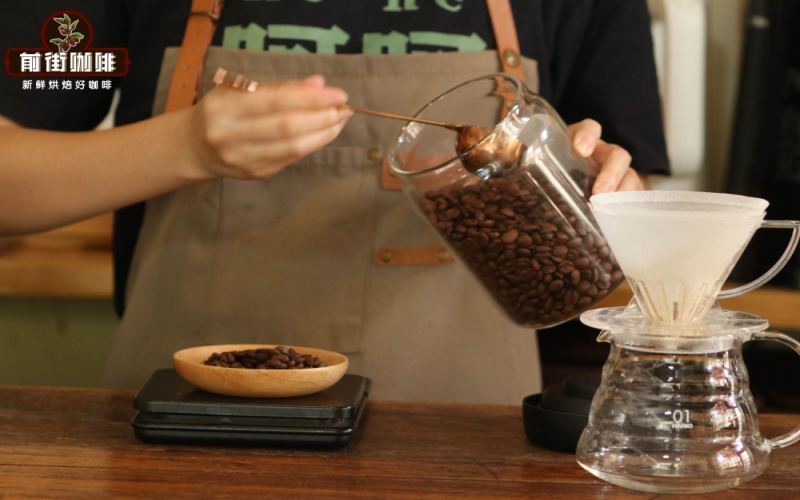
How to Choose Beans for Americano? Starbucks Americano Recipe and Drip Brewer Brewing Tips
Want to enjoy coffee that's close to pour-over quality without being put off by the tedious steps? A drip coffee maker might be an underrated choice. It's simple to operate—as long as you pick the right beans and control the coffee-to-water ratio and grind size, it can still produce a full-flavored cup of Americano. This article starts with how a drip coffee maker works, discusses why it's often considered "not tasty," and then offers bean selection advice—including three beans recommended by Front Street Coffee—along with complete brewing steps and parameters to help you avoid pitfalls and easily recreate a delicious cup of Americano at home. [more…]